
Glass Breastmilk Storage Containers for Freezer – Modern Mamas Are Ditching the Plastic
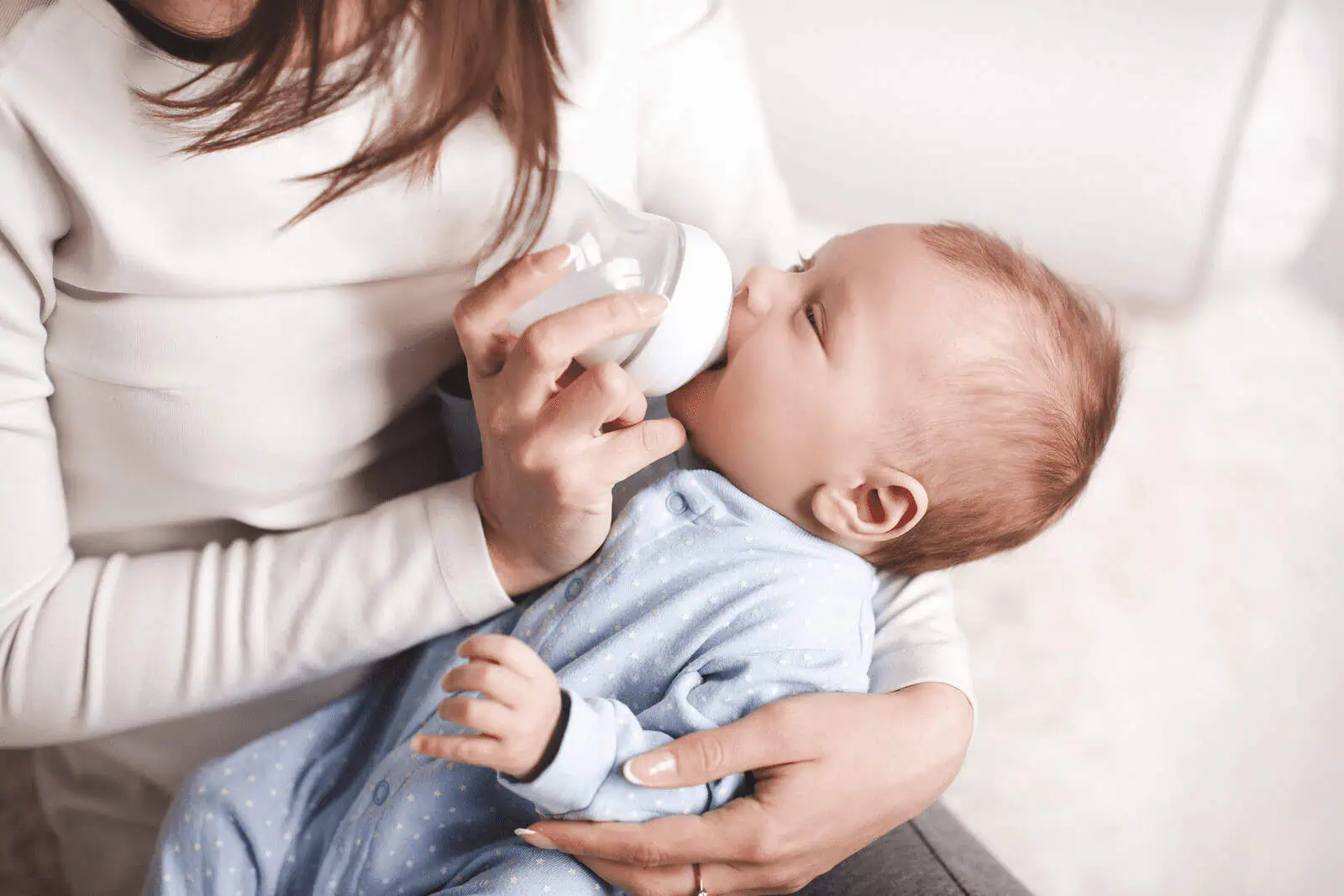
When you’re building a freezer stash of breast milk, the container you choose matters more than you might think. The right storage option can affect not only the safety and freshness of your milk but also its nutritional integrity and ease of use when it’s time to feed your baby. Many moms default to plastic bottles or single-use milk bags because they’re widely available and convenient, but those options aren’t always the most sustainable or long-lasting.
Glass containers — when used properly — offer compelling advantages that make them an increasingly popular choice among breastfeeding parents. From durability and safety to environmental benefits and ease of cleaning, glass breast milk storage jars and bottles provide peace of mind while helping you build a reliable freezer stash.
Benefits of Glass for Breast Milk Storage
Chemical Safety and Leaching Concerns
Many plastic containers, especially older or lower-quality ones, carry the risk of BPA, phthalates, or other plasticizers leaching into the milk over time. Some studies and wellness advocates argue that glass is among the safest options because it is inert and does not release chemicals into stored milk.
Longevity and Reusability
Glass containers can often survive many cycles of freezing, thawing, and washing without degrading, as long as they’re handled properly. That means less waste over time compared to disposable storage bags.
Cleaning and Sterilization
Glass can generally withstand higher temperatures (e.g. for boiling, steam sterilizing, or dishwashing) better than many plastics, reducing the risk of microcracks or warping over time.
Taste and Odor Neutrality
Some plastics may absorb odors or flavors over time; glass is less likely to retain residual smells, which can help maintain the purity of your “liquid gold.”
Transparency and Measurement
Many glass containers are clear or lightly tinted, with measurement markings, making it easier to see exactly how much milk you have and track usage.
Of course, glass also has downsides (weight, breakage risk, limited shapes). The trick is choosing glass containers designed to handle freezing, and using them in a way that mitigates risk. Below I’ll discuss key design considerations and best practices — then review the specific products you asked about.

Key Considerations for Glass Freezing Breast Milk Storage
Before diving into specific brands, it’s helpful to understand the design features and usage habits that make a glass container freezer-friendly.
Material and Glass Type
Not all glass is created equal. The best containers use borosilicate glass or otherwise tempered, thickened glass that can better handle thermal stress (i.e. going from cold to warmer water). Many breast milk–safe glass bottles are explicitly labeled “freezer-safe” or “freeze-grade.”
Headspace Allowance
Breast milk expands slightly when it freezes (just like water). You should leave about 1 inch (2–3 cm) of headspace (empty space) at the top of the container to allow for expansion, to avoid cracks or bursting. Some glass jars even have a “freeze line” or marking to guide how full you should fill them.
Sealing Mechanisms
A tight seal is critical — you want to prevent freezer burn and contamination. Many good glass containers for milk come with silicone or rubber gaskets, screw lids, sealing discs, or integrated silicone sleeves.
Shape and Stacking
Freezer space is precious. Containers with a compact profile, stackability, or flat lids are easier to store. Wide-mouth jars or cylindrical shapes may take more room.
Durability
Look for features like scratch-resistance, reinforced rims, and design features that reduce stress points. Also, avoid thermal shock (don’t transfer straight from hot to cold or vice versa).
Ease of Pouring and Transfer
Especially for freezing, you may want to pour milk into smaller bottles or bags later. Containers with wide mouths or pour spouts make that easier and reduce spills.
Compatibility with Pumps and Accessories
One advantage of some storage bottles is that they double as pump attachments or feeding bottles, reducing transfers and risk of contamination.
Labeling and Measurement
Marking the date, volume, and baby’s name is critical. Containers with built-in measurement scales or flat surfaces for labels are more convenient.
Best Practices for Freezing Breast Milk in Glass
To maximize safety and convenience, here are recommended steps and tips:
- Cool the milk first: Never pour hot, freshly pumped milk directly into the glass container and then freeze. Let it cool (in a fridge) before transferring.
- Fill thoughtfully: Leave headspace ( about 1 inch) at top.
- Seal but not too tight initially: Some mothers leave the lid slightly loose until the milk is frozen solid, to relieve pressure, then tighten fully.
- Store upright & centered: Place containers upright in the coldest, most stable place in your freezer (not near the door).
- Label clearly: Write the expressed date/time and volume. Use oldest milk first (First In, First Out).
- Thaw gently: Use refrigerator thawing overnight or warm water bath. Avoid microwave or rapid heating.
- Once thawed, use within 24 hours (if thawed in fridge) or shorter if at room temp. Do not refreeze already-thawed milk.
- Inspect regularly: Discard any containers with micro-cracks, chips, or deterioration.
- Wash/sterilize: Clean with bottle brushes and sterile methods. Glass tolerates boiling or steam sterilizing better than many plastics.
With all that in mind, let’s look at how various glass breastmilk storage products stack up.
Product Roundup – Top Rated Glass Breast Milk Storage Containers for Freezer
Mason Bottle Glass Breast Milk Storage Jars
These are glass jars specially designed for breast milk storage, available in 4 oz and 8 oz sizes. The product page notes they are made from high-quality glass, free of lead and BPA, and include a silicone freezer seal.
Pros and Considerations:
- Size flexibility: The 4 oz jars are great for smaller portions (reducing waste), while the 8 oz option is useful when your milk output is higher.
- Silicone seal: Helps maintain airtightness and reduce risk of leakage.
- Stackable shape: Because they’re jars, they may stack decently, but might not nest fully flat.
- Ease of use: The jar format is familiar to many; pouring or scooping from it is straightforward.
- Thermal stress caution: As with all glass, avoid extremes in temperature change.
Tips for Use:
- Use 4 oz jars for daily usage and 8 oz for backup stash.
- Mark the jars clearly with date and volume.
- Make sure to leave headspace, and optionally tighten lids after freezing.
Mila’s Keeper Glass Breast Milk Storage Bottles
These are borosilicate glass bottles designed to be triple-purpose: pump, store, and feed. According to the product page, they are 100% plastic-free (except for a silicone lid) and built for freezer use, sterilization, and compatibility with many pumps.
Pros and Considerations:
- Pump-to-bottle integration: You can pump directly into these bottles, reducing transfers and contamination risk.
- Borosilicate glass construction: Better thermal resistance, which is advantageous for freezing and warming.
- Leak-proof lids and silicone sleeves: Provide added protection and easier handling.
- Compatibility: Available in standard and wide-neck versions to match different pump systems.
- Freezer, boiling, and warmer safe: They claim the bottles can handle a range of temperatures.
Considerations:
- Because they are full bottles (rather than jars), they might take more linear space in the freezer.
- The weight is higher than plastic, so full bottles are heavier to move.
- The neck size must match your pump or feeding system, or require adapters.
Tips for Use:
- Use them as primary containers—pump into them, seal, freeze.
- When thawing, transfer gently into smaller feeding bottles or use the same bottle after thawing.
- Use the silicone sleeve to reduce breakage risk while handling.
Real-World Tips From Mamas
- On parenting forums and Reddit, many mothers report using 4–8 oz glass mason jars for freezing breast milk, with success when leaving headspace and careful handling.
- Some caution that if too much milk is frozen in one large container, thawing becomes inefficient and waste risk increases. Smaller volumes thaw more rapidly and evenly.
- One practical tip: freeze milk upright first with lids loosely placed, then once fully frozen, tighten the lids. This helps relieve pressure during freezing.
- Be careful about thermal shock: avoid pouring extremely hot water over a frozen glass container, and don’t place a just-removed-from-freezer jar directly into a hot dishwasher or warming bath.
- Many users recommend only freezing up to 6–8 oz in each container to reduce breakage risk and improve thawing flexibility.
Sample Workflow – Pumping, Freezing, and Feeding Using Glass
Here’s one possible workflow combining these components:
- Pump sessions
Use a pump that’s compatible with your storage bottles (e.g. Mila’s Keeper standard or wide neck). Pump directly into those bottles, or into the Willow pitcher if you prefer to combine multiple sessions first. - Combine & measure
If you have multiple small bottles, pour them into the Willow pitcher to mix and measure. This is especially useful when pooling from left and right breasts. - Divide for storage
Pour measured milk portions into your Mason Bottle jars (4–8 oz) or additional Mila’s Keeper bottles. Leave headspace. - Initial freeze
Place containers upright in your freezer (in a stable, cold part). Keep lids loosely on until the milk is fully frozen. - Tighten lid & stack
Once fully frozen, tighten the lids and arrange containers in your freezer layout, placing older milk behind newer batches. - Thawing & feeding
Thaw in the fridge overnight or use a warm water bath. Transfer gently from the jar or bottle to baby’s feeding container, if needed. Use within 24 hours (if thawed in fridge). Do not refreeze. - Cleaning & reuse
Wash with a bottle brush, and sterilize via steam, boiling, or high-heat dishwasher (if your glass supports it). Inspect for chips or cracks before reuse.
Frequently Asked Questions
Is freezing breast milk in glass really safe?
Yes — if you use glass rated for freezing, allow headspace, avoid thermal shock, and inspect for damage, glass can be very safe and durable. It’s widely recommended by lactation experts as a safer alternative to many plastics.
Will the glass break in the freezer?
If overfilled, sealed too tightly, or exposed to rapid temperature changes, yes — there’s a risk. But if you follow guidelines (headspace, temperature transitions, moderate volumes), breakage can be minimized.
Does freezing in glass affect the milk’s nutrients?
Freezing itself (regardless of container) can reduce some labile components (like antioxidants) over time, but the key is proper handling and using the milk within recommended storage durations. The container choice has minimal effect on nutrient integrity if done correctly.
How long can breast milk stay in the freezer?
According to CDC and lactation guidelines, breast milk can be stored in a conventional freezer for up to 6 months (and up to 12 months in deep freeze) — though earlier use is often preferred.
Can I microwave or warm frozen milk in glass?
Do not microwave breast milk (in any container) due to hot spots and damage to immune properties. Instead, use gentle warming (warm water bath) and use the glass container’s structural sturdiness wisely (don’t subject frozen glass to abrupt heat).
Final Thoughts and Recommendations
If you’re leaning toward a glass-based system for freezing breast milk, here’s a suggested combination:
- Use Mila’s Keeper glass bottles as your primary containers (pump → store → feed).
- Supplement with Mason Bottle storage jars when you need to fragment your milk stash.
- Use the Willow pitcher as a convenient intermediate mixing/transfer tool.
- Evaluate Yohkoh and Spectra/Medela glass bottles if you find specific models that match your pump or preferences.
Glass demands a bit more mindfulness (handling, headspace, thawing), but many parents find the health, safety, and sustainability benefits worth the extra care.
Looking to increase your breastmilk supply? Try our lactation cookie recipes!