
The Ultimate Minimalist Baby Registry – What You Actually Need (and What You Don’t)
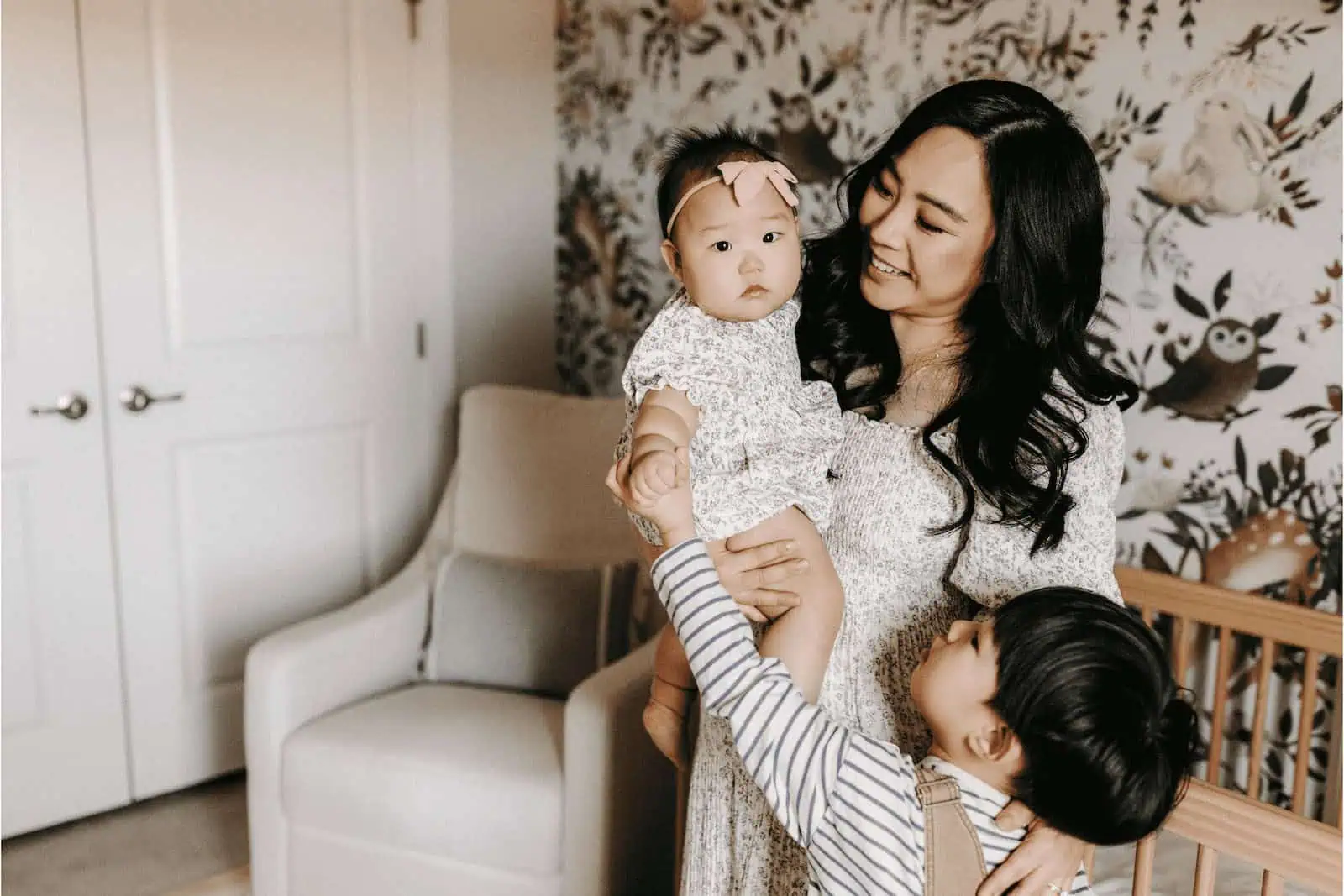
Bringing a baby into the world is exciting — but it’s also overwhelming. Between endless product lists and registry suggestions that include everything from wipe warmers to designer bassinets, it’s easy to feel pressured to buy all the things.
But here’s the truth: you don’t need a mountain of gear to care for your baby. What you need is a thoughtfully curated list of essentials that make your life easier, your home less cluttered, and your baby cozy, safe, and loved.
Coming from a mom with many years of experience, this minimalist baby registry focuses on the must-haves, not the nice-to-haves. You’ll learn how to prioritize what matters most — function, comfort, and simplicity — while avoiding unnecessary purchases that take up space and add stress.
Why Go Minimalist With Your Baby Registry?
Minimalism isn’t just about having fewer things — it’s about having the right things. Babies grow and change so quickly that many items marketed as “essential” are only useful for a few weeks. A minimalist baby registry helps you:
- Save money by skipping trendy gear you’ll only use once or twice.
- Reduce clutter and keep your home calm and organized during a hectic season.
- Focus on connection, not consumption — more time for cuddles, less time managing stuff.
- Live sustainably by choosing quality multi-purpose, long-lasting items and fewer disposables.
If you live in a smaller space or plan to travel often, this approach makes even more sense. Minimalism helps you build a registry that truly supports your lifestyle.
Communicating With Friends and Family About Your Minimalist Registry
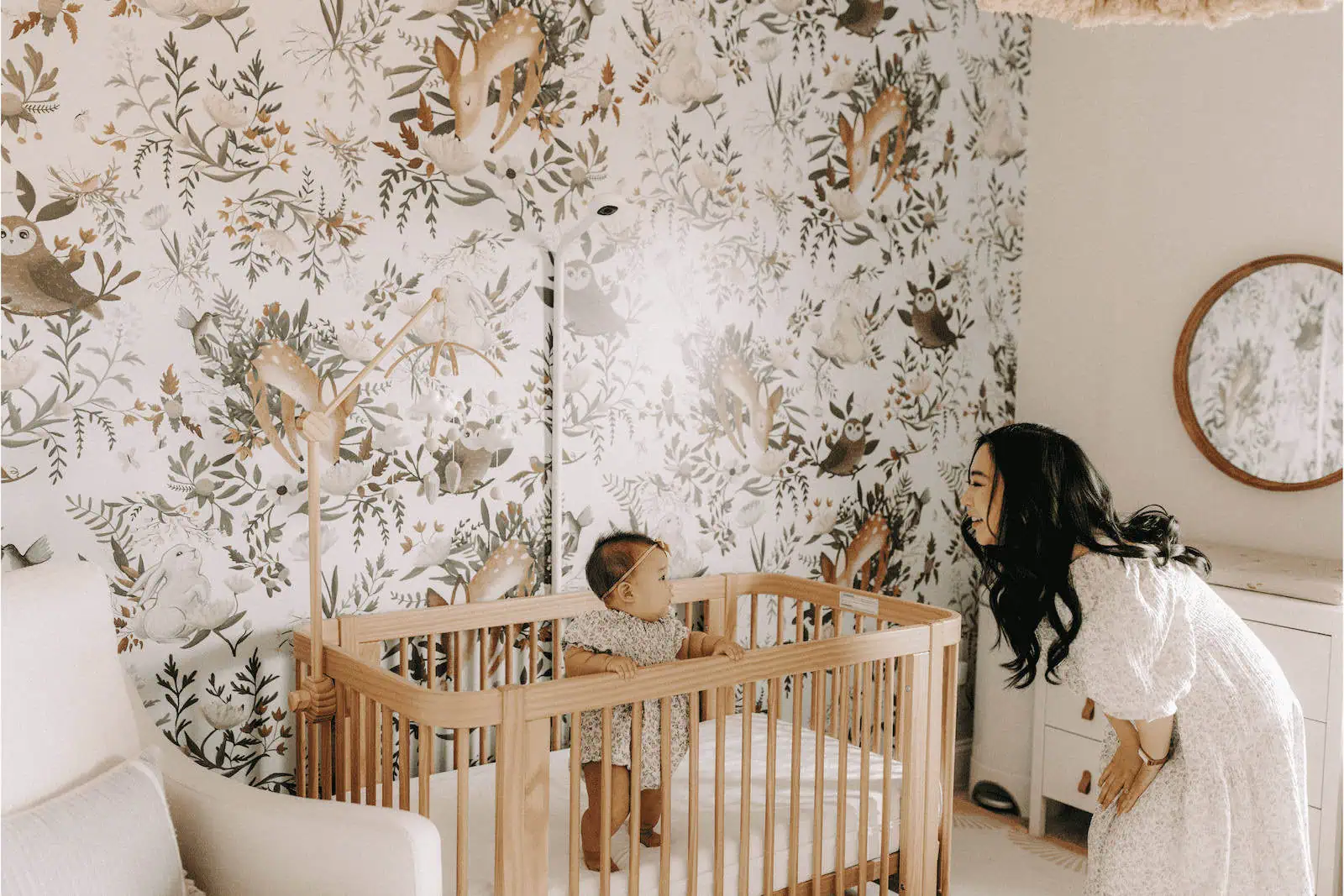
One of the biggest challenges of maintaining a minimalist baby registry isn’t just resisting your own urge to overbuy — it’s navigating the excitement of friends and family who want to shower your baby with gifts. It helps to communicate your minimalist philosophy early and kindly. Explain that you’re focusing on quality over quantity and that every item on your registry was chosen with intention. Emphasize how sticking to the list helps reduce waste, clutter, and stress as you transition into parenthood.
You might include a short note on your registry like, “We’re keeping things simple and focusing on essentials to make the most of our small space. Your thoughtful gift from this list means the world to us!” You can also suggest meaningful non-material gifts, such as freezer meals, babysitting hours, or hand-me-down books. Most loved ones appreciate guidance — they just want to give something that truly helps. By communicating your values clearly, you’ll make it easier for everyone to support you in the way that aligns with your minimalist goals.
Get the Scoop Before You Buy
Do a little research before you build your own registry by asking other parents what they actually used vs. what they regretted buying. A little hindsight goes a long way!
Before you start adding items to your baby registry, take time to do a little research. Talk to parents you trust — friends, coworkers, or family members — and ask them which baby products they actually used daily, and which ones ended up collecting dust. Every baby and household is different, but you’ll quickly spot trends in what’s truly helpful versus what’s marketed as “essential.”
These real-life conversations give you invaluable insight that goes beyond marketing hype. It’s an easy way to avoid wasting money on short-lived gadgets and to discover which items actually make parenting smoother. Most parents are happy to share their wisdom — and a few might even offer to lend you their gently used gear, helping you stay minimalist while building a supportive parenting network.
Gathering this firsthand experience helps you create a registry that fits your lifestyle, home size, and budget — instead of one influenced by impulse or advertising. Think of it as practical prep work: research now, so your future self can enjoy a calmer, clutter-free start to parenthood.
The Minimalist Baby Registry Checklist
Sleep Essentials
A Safe Place to Sleep
Skip the fancy bassinet that only lasts three months. Instead, choose a simple, safe crib that grows with your baby — ideally one that converts into a toddler bed. If you’re tight on space, a portable mini crib or travel crib works beautifully.
Recommended minimalist options:
- Convertible crib with removable side rail
- Lightweight portable crib (like Guava Lotus or BabyBjörn Travel Crib Light)
- Portable Bassinet (we like Baby Delight Snuggle Nest Portable Bassinet)
Crib Mattress & Fitted Sheets
Go for a firm, breathable mattress that meets safety standards. Two fitted sheets are plenty — one on the crib, one as a backup. You’ll rotate them constantly, but you don’t need a whole stack.
Sleep Sack or Swaddle Blankets
Newborns sleep best when snugly wrapped. Two or three muslin or cotton swaddles are perfect for the early months. Transition to a sleep sack when your baby starts rolling.
Minimalist tip: Skip crib bumpers, pillows, stuffed animals, and heavy blankets — they’re not safe for sleep.
Feeding Essentials
Whether you’re breastfeeding, bottle-feeding, or a mix of both, you don’t need an entire kitchen of baby-specific gear.
1. Bottles (4–6 Total)
If bottle-feeding, start with a few bottles in one or two sizes — not a dozen. Your baby may have a preference for a specific nipple shape, so don’t overbuy before you know what works. You may want to consider glass baby bottles over plastic.
2. Breast Pump (if nursing)
If you plan to pump, a portable electric pump or even a simple manual one can do the job. Many insurance plans provide a free breast pump — check before you buy. I loved the Elvie Stride Quiet Hands-Free Electric Pump because I could multitask do house chores while pumping.
3. Milk Storage Bags or Containers
A small box of reusable silicone storage bags or containers is all you need to start. If you prefer Glass Breastmilk Storage Containers, see our guide.
4. Burp Cloths (5–6)
These are daily essentials. But you can also repurpose soft cloth diapers as burp cloths — they’re affordable and highly absorbent.
5. Nursing Pillow (Optional)
You can use a regular firm pillow instead. But if you nurse frequently, a compact, washable nursing pillow can be worth it.
Minimalist tip: Skip bottle sterilizers and warmers. Hot, soapy water or the dishwasher does the job perfectly.
Diapering Essentials
It’s tempting to stock up on every gadget for diaper duty, but you can keep it simple.
1. Diapers (Disposable or Cloth)
Start with one or two packs of newborn-size diapers — babies outgrow them fast. If you’re using cloth diapers, begin with 12–18 and add more if needed. If you’re looking for the most eco-friendly disposable diaper, give Kudos a try.
2. Wipes
A few packs of sensitive baby wipes or reusable cloth wipes with a spray bottle of water will cover all your needs.
3. Diaper Cream
A gentle zinc-oxide-based diaper cream is usually enough. Stick with one trusted brand. We always liked using the Burt’s Bees Diaper Rash Ointment because it’s very thick and really moisturized their skin.
4. Changing Pad
You don’t need a bulky changing table. A portable changing pad or waterproof mat on top of a dresser works great.
5. Diaper Bag
When it comes to shopping for a diaper bag, quality craftsmanship and lightweight materials is the name of the game. This bag will go everywhere with you for years, so I highly suggest investing in a reputable brand. I recommend the Drift Neoprene Diaper Backpack from Parker Baby – lightweight, wipeable diaper bag that comes with built-in organization.
Minimalist tip: Keep a small caddy with diapers and wipes on each floor of your home instead of multiple setups.
Clothing Essentials
Baby clothes are irresistibly cute — and that’s exactly how you end up with too many. Keep it practical and comfortable.
What you actually need:
- 6–8 short-sleeve onesies
- 4–6 long-sleeve onesies
- 4–6 sleepers or footed pajamas
- 2–3 soft hats (for warmth or sun protection)
- 4 pairs of socks or booties
- 1–2 sweaters or jackets (seasonal)
- 1 special outfit for photos or visits
Stick to natural fabrics like cotton or bamboo and neutral colors that can mix and match easily.
Minimalist tip: Skip shoes, mittens, and elaborate outfits. Your baby won’t wear them long enough to justify the clutter.

Bathing and Health
Baby Bath or Sink Insert
You don’t need a fancy plastic tub. Many parents bathe newborns in the sink using a soft foam insert or towel. Once your baby can sit up, move to the big tub.
2. Gentle Baby Soap and Lotion
Choose mild, fragrance-free options. A small bottle goes a long way.
3. Hooded Towels and Washcloths
Two hooded towels and a few washcloths are plenty. Regular small towels work fine, too.
4. Baby Brush and Nail Clippers
You’ll use these frequently, but one of each is enough.
5. First Aid Basics
A simple thermometer, nasal aspirator, and saline spray cover most baby health needs.
6. All Frida Baby Products
It wasn’t until my second baby that I fully realized how helpful so many of the Frida Baby products are. When the kids had a cold, I used the NoseFrida The Snotsucker to get all the mucus out of their noses, to the Fridababy Windi the Gaspasser for fussy babies. Their products are a lifesaver and so thoughtfully designed.
7. Fragrance and Dye Free Laundry Detergent
It is a huge misconception that Dreft is the best laundry detergent for babies. Many of their products actually contain artificial scents, which is not ideal for a baby’s skin. Opt for a brand that is completely fragrance and dye free, formulated for sensitive skin.
Minimalist tip: Avoid full “baby grooming kits” — they often include unnecessary extras.
Transportation Essentials
1. Car Seat
This is one of the true non-negotiables. Choose a convertible car seat that will grow with your baby from newborn to toddler — it saves space and money.
2. Stroller
Go for a lightweight, compact stroller that’s easy to fold and carry. Travel systems (car seat + stroller) can be bulky — choose only if it suits your lifestyle.
3. Baby Carrier or Wrap
A baby wrap or ergonomic carrier allows you to keep your hands free and your baby close. It’s perfect for walks, errands, and bonding.
Minimalist tip: If you live in a walkable area or small apartment, you might skip the stroller altogether and rely on a baby carrier for the first few months.
Playtime and Development
You’ll be amazed by how much entertainment a baby can find in simple objects — a mirror, a soft blanket, or your face!
1. Play Mat or Blanket
A soft blanket on the floor is all you need for tummy time. You can add a play gym later if your baby enjoys it.
2. A Few Simple Toys
Choose a handful of high-quality, multi-sensory toys:
- A soft rattle
- A teething toy
- A small mirror
- A fabric book (babies especially love the crinkle books!)
3. Board Books
Start reading early! A few sturdy board books are perfect for bedtime or bonding moments.
Minimalist tip: Borrow toys and books from friends or your local library to keep clutter minimal and variety high.
Baby Gear You Can Skip
Not every “must-have” list online is realistic. Here are some common registry items that minimalist parents often find unnecessary:
- Wipe warmer (your baby will be fine without it)
- Bottle sterilizer (the dishwasher works just fine)
- Baby swing or jumper (nice to have, but not essential)
- Diaper pail (a small lidded trash can works)
- Changing table (use a dresser or bed with a pad)
- Fancy clothes and shoes
- Excess toys, gadgets, or novelty items
Remember: just because it exists doesn’t mean you need it.
Minimalist Nursery Tips
A minimalist nursery feels peaceful, not empty. Focus on creating a calm, functional space with a few key elements:
1. Keep Furniture Simple
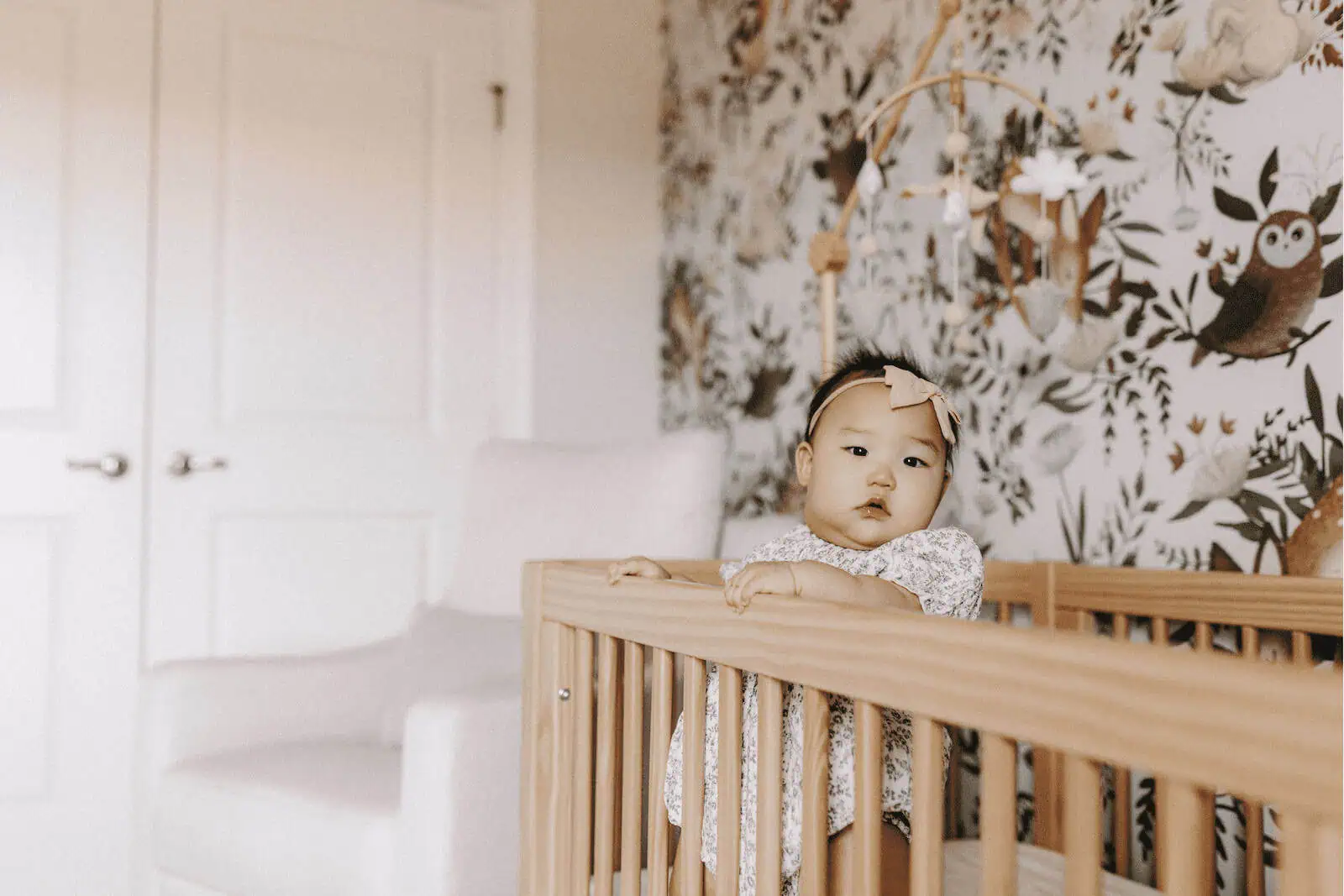
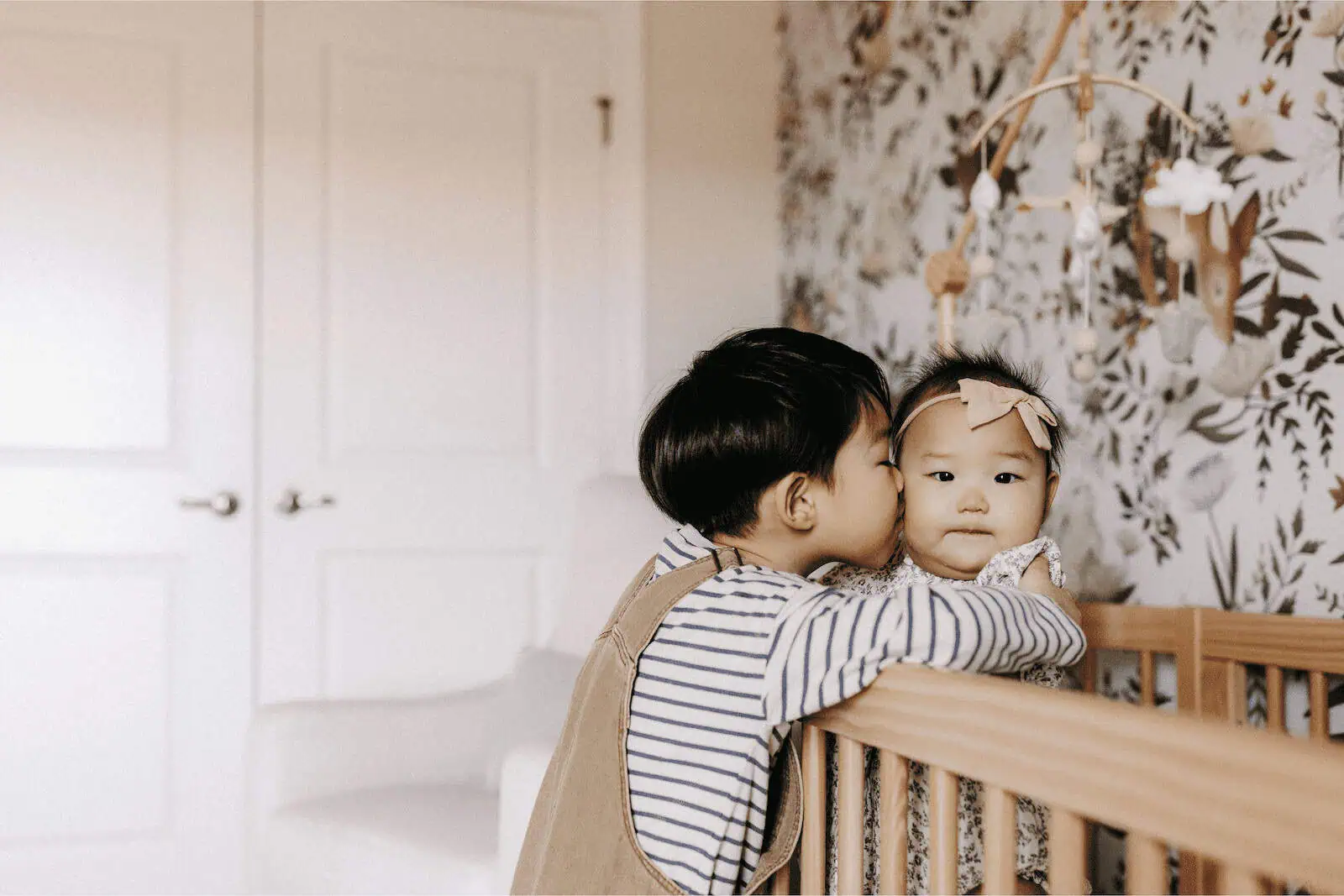
A crib, a small dresser, and a comfortable chair are enough. Avoid crowding the room with extra shelving or bulky storage.
2. Neutral, Soothing Colors
Soft neutrals and natural textures (wood, cotton, linen) create a calm environment for both you and baby.
3. Storage Solutions
Use baskets or drawer dividers to keep essentials organized. Label bins for easy cleanup.
4. Add a Personal Touch
A framed photo, a soft rug, or a potted plant adds warmth without clutter.
Minimalist tip: Choose decor that you love and that will grow with your child — think timeless, not themed.
Postpartum and Parent Essentials
A minimalist registry isn’t just about baby — it’s about supporting you, too. Add a few postpartum essentials to make recovery smoother.
1. Nursing or Feeding Supplies
Reusable nursing pads, a few comfortable bras, and a supportive pillow.
2. Comfortable Loungewear
Soft, loose clothing you can easily nurse or cuddle in.
3. Meal Prep Containers or Delivery Gift Cards
Practical gifts that truly make life easier in the early weeks.
4. Water Bottle and Snacks
Hydration and nourishment are key during postpartum recovery.
5. Support Items
Ask for help, not just stuff — friends can gift meal deliveries, house cleaning, or babysitting.
Sample Minimalist Baby Registry List
Here’s what a full minimalist registry might look like — everything you need and nothing more:
Nursery:
- Convertible crib
- Firm mattress
- 2 fitted sheets
- 2–3 swaddles or sleep sacks
Feeding:
- 4–6 bottles
- 1 breast pump (if nursing)
- 1 box milk storage bags
- 5 burp cloths
- 1 nursing pillow
Diapering:
- 2 packs diapers
- 3 packs wipes
- 1 diaper cream
- Portable changing pad
Clothing:
- 8 onesies
- 6 sleepers
- 2 hats
- 4 pairs socks
Bath & Health:
- Sink insert or small tub
- Baby soap + lotion
- 2 towels, 4 washcloths
- Brush, nail clippers, thermometer
Transportation:
- Convertible car seat
- Lightweight stroller or baby carrier
Playtime:
- Play mat
- 3 simple toys
- 3 board books
Parent Essentials:
- Nursing pads
- Loungewear
- Water bottle + snacks
That’s about 40 items total, compared to the hundreds often suggested on conventional registries.
Sustainability and Minimalism Go Hand in Hand
Going minimalist doesn’t just save you stress — it’s also good for the planet. Here’s how you can make your registry more sustainable:
- Choose secondhand where safe (clothing, books, toys, and furniture).
- Opt for multipurpose products that grow with your baby.
- Avoid single-use plastics like disposable bibs or spoons.
- Support eco-friendly brands using organic materials and ethical manufacturing.
Minimalism isn’t about deprivation — it’s about intention. It helps you make choices that align with your values, lifestyle, and space.
Borrow or Rent Baby Gear
Another smart minimalist strategy is to borrow or rent baby gear instead of buying everything new. Many baby items — like bassinets, swings, bouncers, or travel gear — are used for only a few months before your baby outgrows them. Ask trusted friends or family members if they have gently used items you could borrow short-term. There are also reputable baby gear rental companies, such as BabyQuip or Rents4Baby, that offer clean, safety-checked products for temporary use — ideal for travel or testing items before committing to purchase.
By borrowing or renting, you can easily return what you no longer need, keep your home clutter-free, and save hundreds of dollars in the process. This approach not only simplifies your space but also reduces waste, helping you stay true to your minimalist and eco-friendly goals.
Parenting a New Baby While Living in a Small Space
Parenting a newborn in a small apartment or shared home may sound daunting, but it can actually make life simpler and more intentional. With limited square footage, you naturally prioritize only what truly adds value to your day-to-day routine. Focus on multi-functional items — like a crib that doubles as a changing station or storage baskets that slide neatly under the bed.
Keep baby gear stored vertically using wall hooks and narrow shelving, and embrace routines that center on togetherness rather than space. A small home can feel wonderfully cozy when everything has a purpose and place. You’ll find that your baby doesn’t need a big nursery — they just need you, your presence, and a peaceful environment that feels safe and uncluttered.
Minimalist Mindset: It’s Okay to Add Later
One of the biggest myths about registries is that you must have everything ready before baby arrives. In truth, you’ll discover what you actually need as you go. Babies are unpredictable — and every family’s rhythm is different.
Start with the basics, then add items as the need arises. Online shopping and two-day delivery make it easy to fill gaps later. You’ll save space, money, and a lot of regret.
Think Past Newborn Phase, Looking Towards First Birthday
When building your minimalist baby registry, think beyond the newborn stage. Babies grow faster than you can imagine, and it helps to plan for the first full year of milestones — not just the first few months. Consider adding convertible items that will adapt with your child, like a crib that becomes a toddler bed, a high chair that transitions into a booster, or clothing in multiple sizes.
You can also include practical items you’ll need later, such as sippy cups, teething toys, a play yard, or early learning books. Planning ahead helps you avoid another round of frantic shopping down the road and makes it easier to stay minimalist as your baby becomes a curious, on-the-move toddler. By thinking past the newborn phase, you’re not just saving money — you’re creating a smoother, more sustainable transition through every stage of your baby’s first year.
Decluttering as Your Baby Grows
Even the most intentional baby registry will eventually lead to gear and clothes your little one outgrows — and that’s okay! A key part of maintaining a minimalist mindset is regularly decluttering as your baby transitions into new stages. Every few months, take inventory of what your child has outgrown or no longer uses. Sort items into “keep,” “donate,” and “sell” piles.
Gently used baby clothes, toys, and gear can often find new homes through baby consignment shops like Once Upon a Child, or through local listings on Facebook Marketplace, OfferUp, or Nextdoor. Selling these items not only clears space in your home but can also help fund the next round of toddler essentials — like a convertible car seat, step stool, or bigger clothing sizes. By reselling and recycling, you’re creating a sustainable cycle that supports your minimalist goals while keeping unnecessary waste out of landfills.
Best Places to Create a Baby Registry
When it comes to setting up your minimalist baby registry, choose retailers that make it easy to keep things organized, flexible, and clutter-free. Amazon Baby Registry is a popular choice for its wide selection and completion discount, but minimalist parents may prefer Babylist, which lets you combine items from any store — perfect for a curated, intentional list. Target and Walmart offer great return policies and in-person pickup options, which can be convenient for essential restocks.
If you prefer eco-conscious and design-forward products, consider Pottery Barn Kids or Modern Nursery, where you can find long-lasting, quality-made essentials. And don’t overlook your local baby boutiques or independent makers on Etsy — supporting small and local businesses not only adds a personal touch to your registry but also aligns beautifully with a sustainable, minimalist lifestyle.
Is It Too Tacky to Ask for Gift Cards on Your Baby Registry?
Listen, this is the reality of a new parents’ situation. At the beginning, you can’t possibly know everything that your baby will need. Each baby and parent is different, with unique product needs. Having a stash of gift cards to reputable retailers who sell baby products is always very helpful to reduce unexpected expenses. When you come across a parenting situation that requires a big purchase, you’ll have the money in gift cards available. I mean, worst case is that you spend the gift cards on diapers, wipes, baby formula, etc. So if you feel like you need to ask for gift cards on your baby registry then go for it!
Final Thoughts: Simplicity Is a Gift to You and Your Baby
A minimalist baby registry isn’t about cutting corners — it’s about creating space for what really matters. You’re preparing your home not just for your baby, but for the kind of parent you want to be: calm, present, and intentional.
By focusing on the essentials, you’ll free yourself from clutter, comparison, and consumer pressure. Instead, you’ll create a peaceful environment where love and connection can take center stage.
So skip the twenty gadgets and stick to the handful of things that truly make life easier. Your future self — and your baby — will thank you.