Guide to Placenta Encapsulation – Everything From the Cost to Step-By-Step Process

Placenta encapsulation is an age-old practice that has gained popularity in recent years for its potential health benefits. Whether you’re considering it for postpartum recovery or simply curious about the process, our comprehensive guide covers everything you need to know. From understanding the potential benefits and costs to a detailed, step-by-step walkthrough of the encapsulation process, this guide aims to provide you with all the information necessary to make an informed decision.
I personally went through the process of placenta encapsulation for my own surrogacy pregnancy, and I learned so much along the way. I also did a ton of research at each phase in the journey, hence this very long and thorough blog post. I hope you find all this information helpful and feel empowered to take charge of your own postpartum experience.
What Does the Placenta Do During Pregnancy?
The placenta plays a crucial role in pregnancy, serving as the lifeline between the mother and the developing fetus. This temporary organ, which forms and attaches to the uterine wall, facilitates the exchange of oxygen, nutrients, and waste products between the mother’s blood and the fetus’s blood. It also produces essential hormones, such as human chorionic gonadotropin (hCG), progesterone, and estrogen, which support pregnancy and fetal development.
By acting as a barrier, the placenta protects the fetus from harmful substances and infections, while also managing immune tolerance to prevent the mother’s body from rejecting the fetus. Overall, the placenta ensures a suitable environment for fetal growth and development throughout pregnancy.
In short, the placenta acts as the nurturer and protector of the baby, which is why we tend to hold this temporary organ in high esteem. The idea of throwing such a vital player in our birth story in the trash after delivery just doesn’t sit well with many women. Especially when it’s still has a lot of worth and potential to continue to nourish and provide for our us.
Afterbirth Delivery
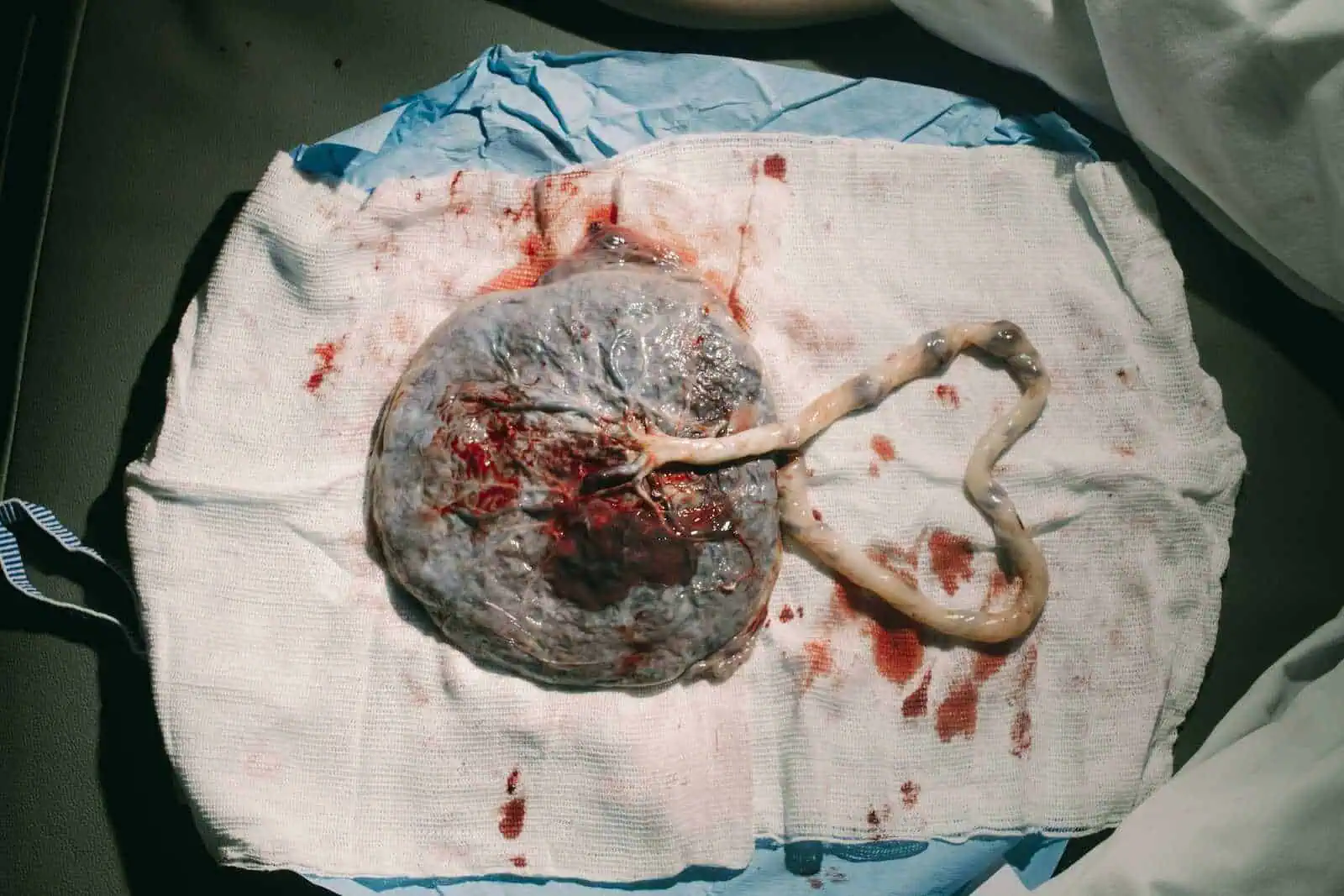
Afterbirth delivery, also known as the third stage of labor, involves pushing out the placenta and other fetal membranes following the birth of the baby. This stage typically begins immediately after the newborn is delivered and lasts from a few minutes to up to 30 minutes.
The process is facilitated by uterine contractions that help detach the placenta from the uterine wall and push it out through the birth canal. Doctors and midwives often assist by gently pulling on the umbilical cord while applying pressure to the mother’s abdomen, a technique known as controlled cord traction.
Ensuring the complete delivery of the placenta is vital to prevent postpartum hemorrhage and infection. After it is completely delivered, the placenta is carefully examined to confirm its entirety, as any retained fragments can lead to complications. This stage marks the conclusion of the labor process, allowing the mother to begin recovery and bonding with her newborn.
Why Would You Want to Save Your Placenta After Pregnancy?
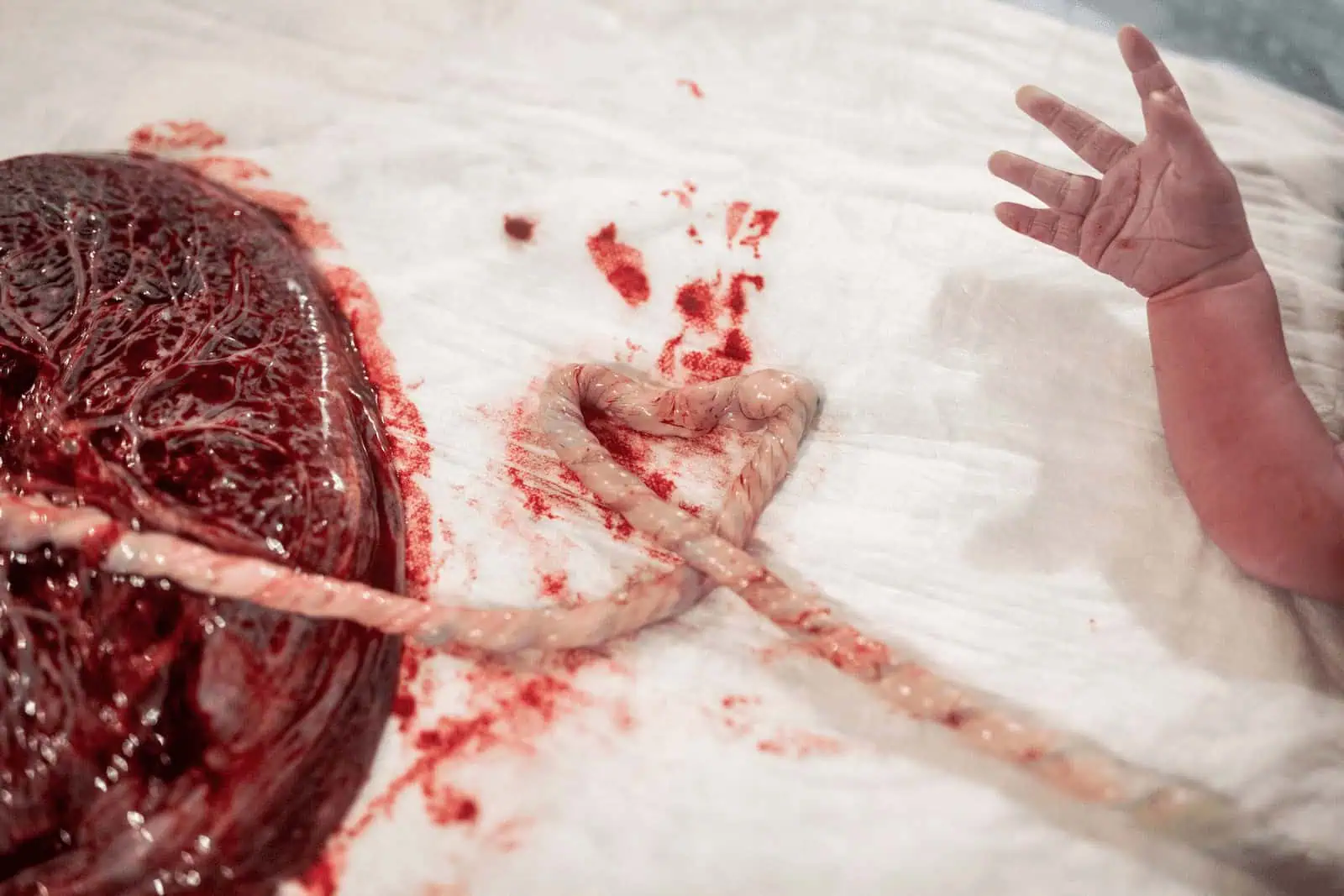
What you do with your placenta after birth is a personal choice. Saving the placenta after pregnancy is a choice some parents make for various personal, cultural, and health-related reasons. One common motivation to keeping placenta after birth is the potential health benefits, as the placenta is rich in nutrients and hormones. Some believe that consuming the placenta, often through encapsulation, can aid in postpartum recovery by replenishing lost nutrients, boosting energy levels, and reducing the risk of postpartum depression.
Cultural and spiritual beliefs also play a significant role; in many traditions, the placenta is considered sacred, symbolizing the connection between the mother and child. It is often buried or planted with a tree as part of a ritual to honor the life-giving organ. Additionally, some parents choose to preserve the placenta for its stem cells, which might be used in future medical treatments for the child or family members. Overall, the decision to save the placenta is deeply personal, influenced by a blend of your own personal beliefs.
All About Encapsulating Your Placenta
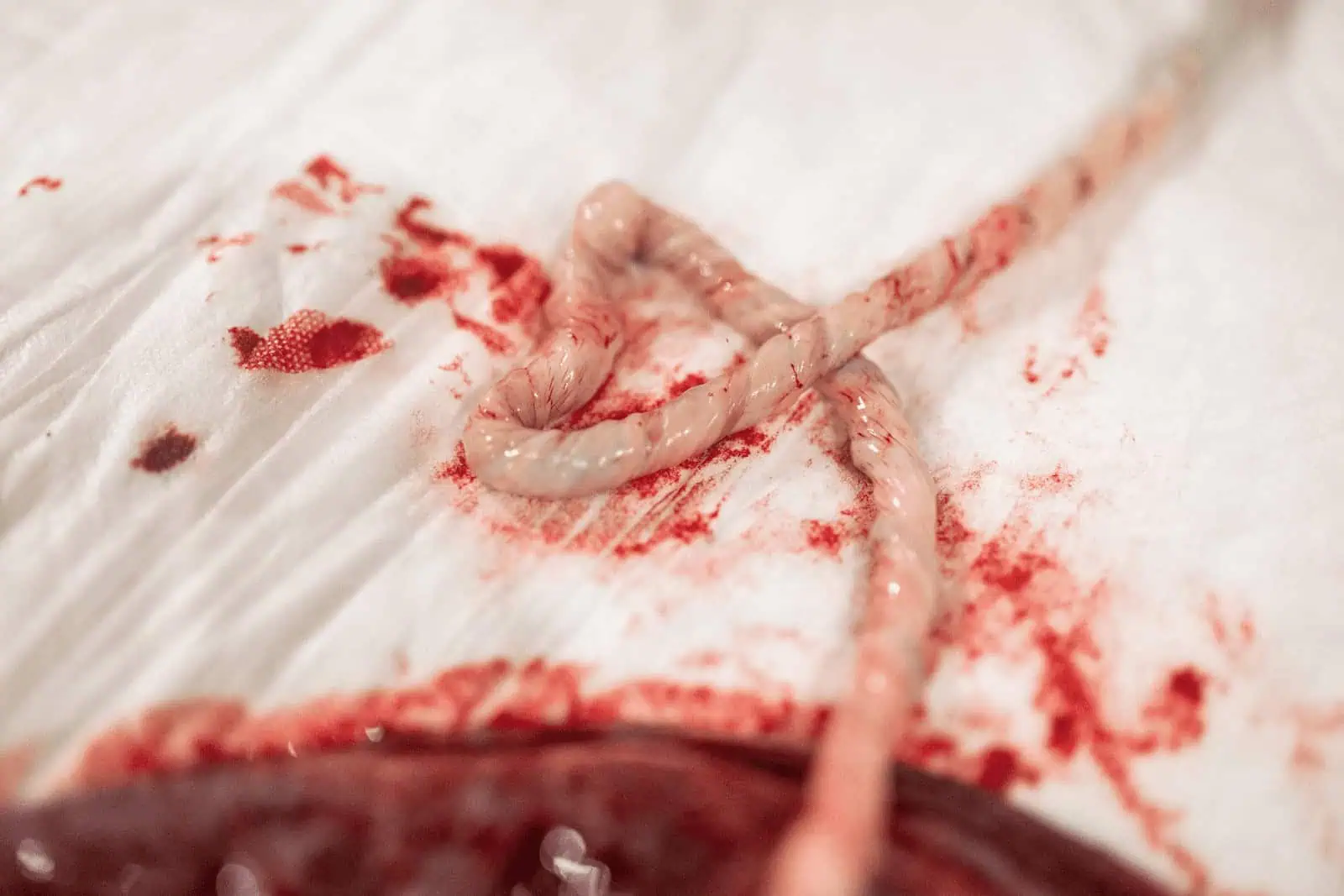
When it comes to consuming the placenta after birth, encapsulation is the most common and easiest way to go about it. Encapsulating your placenta involves a process where the placenta is steamed, dehydrated, ground into a fine powder, and then placed into capsules for consumption. This practice is rooted in the belief that the placenta, being rich in hormones and nutrients such as iron, can provide numerous postpartum benefits when ingested.
Advocates of encapsulation claim that it can help balance hormone levels, reduce postpartum depression, boost energy, and enhance milk production. The encapsulation process is typically carried out by professionals who specialize in this service to ensure it is done safely and hygienically.
While scientific evidence supporting these benefits is limited, many mothers report positive outcomes from placenta encapsulation. It is a practice that aligns with the growing interest in natural and holistic postpartum recovery methods, allowing mothers to potentially harness the nutrients of the placenta in an easy-to-consume form.
Shop Placenta Empowerment Candles, plus so much more in my Etsy Placenta Collection!
Photo Credit: Ember And Ivy Candles
Will the Hospital Allow Me to Take My Placenta Home?
As a mom and a surrogate, I have delivered at three different hospitals. Each hospital had its own views and policies about women taking their placentas home. Some of them required a pre-order document that needed to be filled out before delivery. Some of them just require a signature on a form after delivery. If they give you a hard time, tell them that you have the right to keep your placenta and you will need to advocate for yourself in order to have your placenta released to you. Make sure you tell them upon arrival at the hospital of your plans to keep the placenta, and show up prepared with a mini cooler.
How to Plan the Placenta Pick-Up From the Hospital
Almost all hospitals want the placenta placed into a cooler and removed from the hospital premises within a few hours of birth. And to make matters more tricky, they often won’t allow your encapsulation specialist to enter the hospital for the pick-up. This is where the logistics get tricky. Most women cannot walk out of a hospital within a few hours of birth, so you will need to assign the task to a trusted partner to make the drop for you. Keep in mind that babies can be born at any time of the day or night, so this partner in crime needs to be dedicated to cause to make sure everything goes smoothly.
If you really can’t manage the logistics of removing your placenta from the hospital within a few hours, just quietly keep your iced cooler with you, sort of out of sight out of mind from hospital staff. If the weather is not hot, you can keep it in your car until you can arrange for the pick-up.
Shop Placenta Kits. Placenta Shop has kit options that include capsules, art print of your placenta, cord keepsake, salves and tincture.
Photo Credit: Placenta Shop

Packing Up Your Placenta in the Mini Cooler
Properly packing up your placenta in a mini cooler is an essential step for those planning to preserve it for encapsulation or other uses. Immediately after birth, the placenta should be handled with care to maintain its freshness and prevent contamination. The mini cooler, equipped with bags of ice, provides a sterile and controlled environment to store the placenta until it can be processed. As long as the cooler is well packed with real ice (ice on bottom of cooler, packaged placenta, then more ice on top covering the placenta) it will be fine until pick up. The ice should be checked on and refreshed as needed in order to prevent it from melting. Only real ice should be used, not gel ice packs, instant ice packs, cold packs, plastic ice blocks, or anything similar.
Typically the hospital staff will package the placenta for you and can provide ice from their ice machine if asked. If your cooler is too small for the container hospital staff wants to use, or if they are opting to use their large and possibly leaky square containers, ask them to bag it instead. As an extra measure of preparation, plan to bring along two one-gallon sized Ziplock bags in case the hospital doesn’t provide bags.
If you happen to have a refrigerator available to you after birth, you can put your bagged up placenta inside to stay chilled. Do not freeze your placenta in the freezer (unless specifically asked to do so my your placenta specialist).
Things to Know When Hiring a Certified Placenta Arts Specialist
When hiring a Certified Placenta Arts Specialist, several key considerations ensure a safe and positive experience. First, verify their certification and training credentials from reputable organizations such as the Association of Placenta Preparation Arts (APPA) or other recognized institutions.
It’s essential to inquire about their experience and ask for references or reviews from previous clients. Discuss the encapsulation process in detail, including the methods they use to clean, steam, dehydrate, and encapsulate the placenta, ensuring they adhere to strict hygiene and safety standards. Confirm that they follow OSHA (Occupational Safety and Health Administration) guidelines for handling bloodborne pathogens to prevent contamination and infection.
Ask about their procedures for hospital pick-up, transportation and storage of the placenta to maintain its freshness and safety. Open communication and transparency with your specialist will help you feel confident in your decision and ensure a safe encapsulation process.
Also, ask if they have previous experience with your specific delivery hospital. They may be able to provide you with insights on how that medical facility views and handles women taking home their placenta.

Shop Placenta Specialist Gear in my Etsy Collection!
Photo Credit: Slate and Solitude
Ordering a Placenta Encapsulation Kit
If you live in a remote location where there’s not a local placenta specialist near you, there’s always the option for using a nationwide service. In this case, you order a placenta encapsulation kit to be mailed to your home around 37 weeks of pregnancy. You will then follow the instructions, and ship your placenta to their facilities. When comparing prices, this type of remote service tends to be a lot more expensive, but may be the only option for some mothers. Popular placenta encapsulation kit companies are Plus+centa and Placenta Shop.
Eating Your Placenta Raw vs Steam Cooked
Eating your placenta raw versus steam-cooked presents different considerations regarding potential benefits and risks. Consuming raw placenta, often blended into smoothies, is believed by some to provide the maximum retention of nutrients, hormones, and enzymes, as they are not exposed to heat.
However, this method carries a higher risk of bacterial contamination and infection, as the placenta is not subjected to any process that kills potential pathogens. On the other hand, steam-cooking the placenta before consumption, a common practice in placenta encapsulation, may reduce the risk of infection by eliminating some bacteria and viruses. While this method may lead to some loss of nutrients and enzymes, it is generally considered safer from a microbiological standpoint.
Find Placenta Inspired T-Shirts in my Etsy Collection!
Photo Credit: Fill As You Pour
Can I Eat Another Woman’s Placenta?
Eating another woman’s placenta is strongly discouraged due to significant health risks. The placenta is a biological organ that can carry bloodborne pathogens, bacteria, and viruses, which might be harmless to the mother but potentially dangerous to others. Consuming someone else’s placenta increases the risk of transmitting infections such as HIV, hepatitis, or other infectious diseases. For those considering placenta consumption, it’s best to use only their own placenta. So sorry, tell your friends and family no sharing!
Placenta Smoothie Recipes
Placenta smoothie recipes are a way for some new mothers to incorporate the nutrient-rich placenta into their diet immediately postpartum. These smoothies typically blend a small piece of raw placenta with various fruits, vegetables, and other ingredients to mask its taste and enhance the drink’s nutritional value.
Common placenta smoothie recipes might include combinations of berries, bananas, spinach, almond milk, and a touch of honey or agave for sweetness. Adding ingredients like chia seeds or protein powder can further boost the smoothie’s health benefits. The placenta is often frozen and used in small portions to ensure freshness and safety. It’s essential to follow strict hygiene practices when handling the placenta to minimize the risk of contamination.
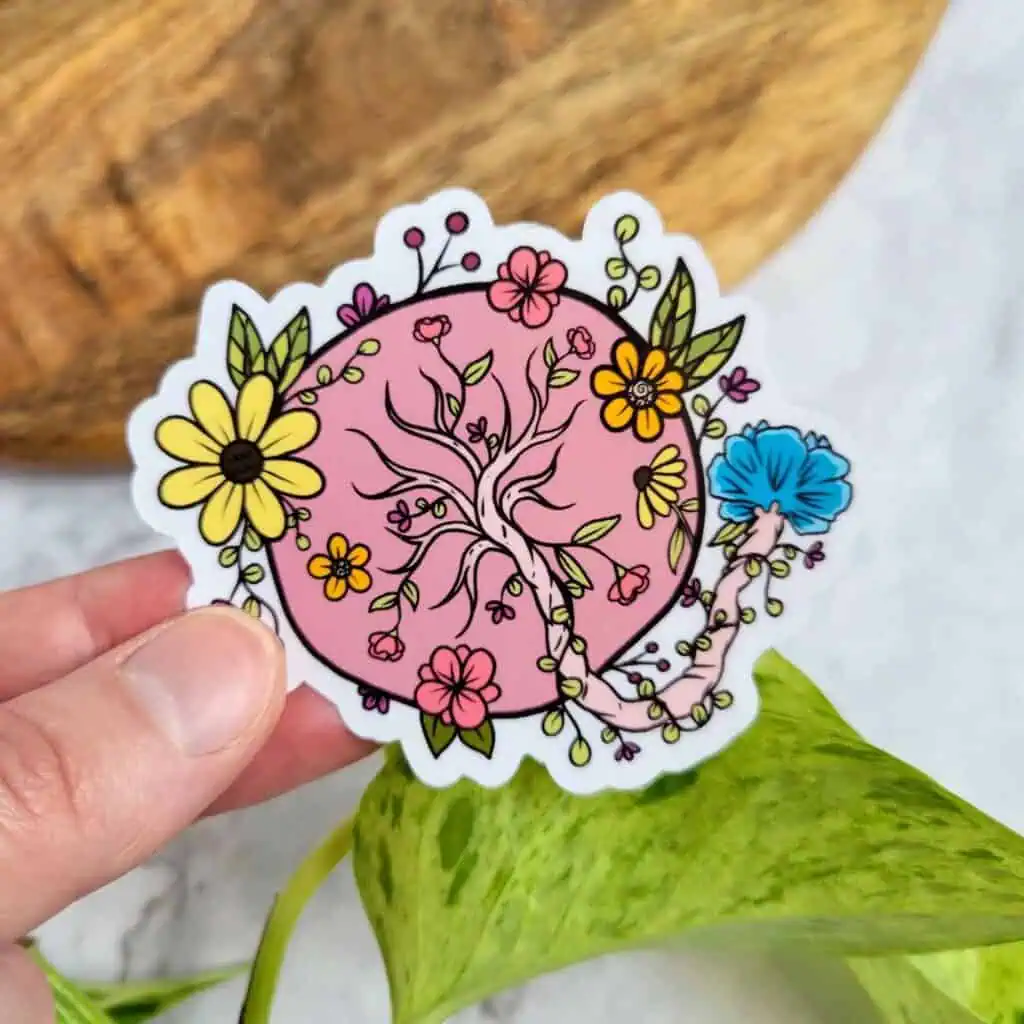
Shop Floral Placenta Glossy Vinyl Stickers!
Photo Credit: Chez Louie Designs
Making Gummies with Your Own Placenta
Making gummies with your own placenta is an alternative way to consume the placenta, combining its purported benefits with a more fun and enjoyable form. The process involves several steps to ensure safety and effectiveness. First, the placenta is thoroughly cleaned, steamed, and dehydrated. Once dried, it is ground into a fine powder. This powder is then mixed with other gummy ingredients, such as fruit juice, gelatin, and sweeteners. The mixture is heated until fully dissolved and then poured into molds to set.
What is a Placenta Tincture?
A placenta tincture is a liquid extract made from the placenta that is believed to offer long-term health benefits. The process of creating a placenta tincture involves soaking a small piece of raw or dehydrated placenta in high-proof alcohol, such as vodka or brandy, for several weeks. This method allows the beneficial compounds in the placenta to be extracted into the alcohol, creating a potent solution. Once the tincture is ready, it is typically stored in a dropper bottle for easy use.
Fans of placenta tinctures claim they can help balance hormones, boost energy, and improve mood postpartum. Additionally, the tincture can be preserved for an extended period, providing potential benefits long after the postpartum period. It is often recommended to take the tincture in small doses, such as a few drops in water or directly under the tongue.
Proudly Display Your Placenta Specialist Badge!
Photo Credit: Womb To World Art
What is Raw Placenta Encapsulation?
Raw placenta encapsulation is a process where the placenta is prepared and consumed in capsule form without being steamed or cooked beforehand. This method involves cleaning the placenta thoroughly, dehydrating it at a low temperature, grinding it into a fine powder, and then placing the powder into capsules.
Advocates of raw placenta encapsulation believe that this method preserves the maximum amount of nutrients, hormones, and enzymes, which can potentially offer benefits such as increased energy, improved mood, and enhanced postpartum recovery. However, because the placenta is not cooked, there is a higher risk of bacterial contamination and infection, making strict adherence to hygienic practices essential.
How Much is Placenta Encapsulation? – A Breakdown of Placenta Encapsulation Cost
The cost of placenta encapsulation will generally vary between $200 – $400, depending on a few factors. If you are hiring a local placenta specialist, this usually reduces the price because there’s no shipping costs involved. This price typically includes initial consultation, transportation of the placenta, preparation and encapsulation, and the final delivery of the capsules. Some providers may offer additional services for an extra fee, such as tinctures, prints, or salves made from the placenta.
When I ordered my own placenta encapsulation, I paid $200 and the price also included the baby’s umbilical cord dried as a keepsake and a placenta tincture that extends your placenta’s life out long term, along with 100 capsules.
The placenta encapsulation price may also reflect the level of hygiene and safety standards adhered to during the process, including the use of professional-grade equipment and compliance with health regulations. It’s important for expecting parents to research and compare different specialists, considering not only the cost but also the reputation and reliability of the service provider. Investing in a certified and experienced professional ensures that the encapsulation process is carried out safely, maximizing the potential benefits while minimizing health risks. If the price is very low and it seems too good to be true, then you probably shouldn’t move forward with them. Safety first!
Placentas Are Magical T-Shirt
Photo Credit: Placenta Pals LLC
Placenta Encapsulation Contract
A placenta encapsulation contract is a formal agreement between a client and a certified placenta encapsulation specialist that outlines the terms and conditions of the encapsulation service. This contract typically includes details such as the client’s and specialist’s contact information, the scope of services provided, including transportation, preparation, and encapsulation of the placenta, and the total cost of the service.
It also specifies important health and safety protocols, ensuring that the specialist adheres to strict hygiene standards and follows OSHA guidelines for handling bloodborne pathogens. The contract may include a liability waiver, acknowledging that the client understands the potential risks involved in placenta consumption and releases the specialist from certain liabilities.
Signing this contract ensures transparency, sets clear expectations, and protects both parties, providing peace of mind that the process will be conducted professionally and safely.
Pregnant Lady Planters
Photo Credit: Shape Labs
Is Eating Placenta Encapsulation Pills Safe?
The debate over how safe it is to eat the placenta after birth has two sides to the story. I am going to provide information from both perspectives.
According to my placenta specialist from my own encapsulation, it is safe and you can encapsulate with all of the following reasons:
- Meconium Present (this is when baby poops in the womb)
- Testing positive for Group B strep (GBS)
- Testing positive for COVID-19 in the past
- Preeclampsia (in this case, your doctor may want to send your placenta to pathology for testing. You can opt out of this if your priority is keeping your placenta).
- Calcification Present on Placenta (early signs of gradual deterioration in an “old placenta”)
- Cesarean Birth
- Induction Birth
According to The U.S. Centers for Disease Control and Prevention, they do not recommend eating placenta capsules because of some very rare side effects. The placenta can potentially harbor harmful bacteria, viruses, or toxins, which might not be fully eliminated during the encapsulation process. In rare cases, there have been reports of adverse effects, such as infections caused by contaminated pills. Therefore, it’s crucial to ensure that the encapsulation process is performed by a certified professional who follows strict safety and hygiene standards.
Placenta Specialist Mug
Photo Credit: Placenta Pals LLC
Chorioamnionitis Infection in Labor Prohibits Safe Placenta Encapsulation
Infection during labor makes placenta encapsulation unsafe for consumption. When a mother experiences an infection such as chorioamnionitis, which is an infection of the placental tissues and amniotic fluid, or other bacterial or viral infections, the placenta can become contaminated with harmful pathogens. Consuming an infected placenta, even after encapsulation, poses significant health risks, including the potential transmission of the infection to the mother postpartum. The encapsulation process, which involves steaming and dehydrating the placenta, may not effectively eliminate all bacteria and viruses, making it unsafe for consumption.
The easiest way to avoid infection in labor is to limit vaginal exams. This is especially important to note when being induced and/or if your amniotic sac is broken for an extended period of time. You cannot safely encapsulate if you have chorioamnionitis, a true infection, and your placenta will not be released to you.
Should You Attempt a DIY Placenta Encapsulation?
In my personal opinion, the encapsulation of your placenta should be left to the professionals and not attempted at home. Safety and hygiene protocols must be followed very carefully to ensure that there’s no bacteria contamination, which can make you and your baby very sick.

Pregnancy + Birth Affirmation Cards
Photo Credit: UnbrokenMama
Celebrities Who Have Eaten Their Placenta
Several celebrities have publicly shared their experiences with eating their placenta, often citing potential health benefits such as improved postpartum recovery, increased energy, and better mood regulation. Some notable celebrities who have eaten their placenta include:
- Kim Kardashian: The reality TV star and entrepreneur had her placenta encapsulated after the birth of her children and has spoken about the positive effects she felt from taking the capsules.
- January Jones: The actress from “Mad Men” also chose placenta encapsulation after the birth of her son, and she has credited it with helping her avoid postpartum depression and boosting her energy levels.
- Alicia Silverstone: Known for her role in “Clueless,” Silverstone has been vocal about her decision to consume her placenta in capsule form, attributing it to increased vitality and emotional stability after childbirth.
- Nicky Hilton: In the Paris Hilton documentary reality TV show Paris in Love, her sister Nicky Hilton speaks openly about her placenta pills after birth.
- Lala Kent: Star of Bravo hit show Vanderpump Rules shared a photo on her Instagram showing her placenta capsules from Mommy Made along with daughter Ocean’s gold-dipped umbilical cord.
- Mandy Moore: She revealed during an interview on a pregnancy podcast that she was eating her placenta in capsule form after giving birth to her son.
- Kourtney Kardashian: Like her sister Kim, Kourtney also opted for placenta encapsulation and shared her positive experiences with her followers.
- Hilary Duff: The actress and singer revealed that she had her placenta made into smoothies and pills after the birth of her daughter, mentioning the significant benefits she perceived in her postpartum recovery.
These celebrities have helped bring attention to the practice of placenta consumption, sparking interest and discussion among their fans and the broader public.